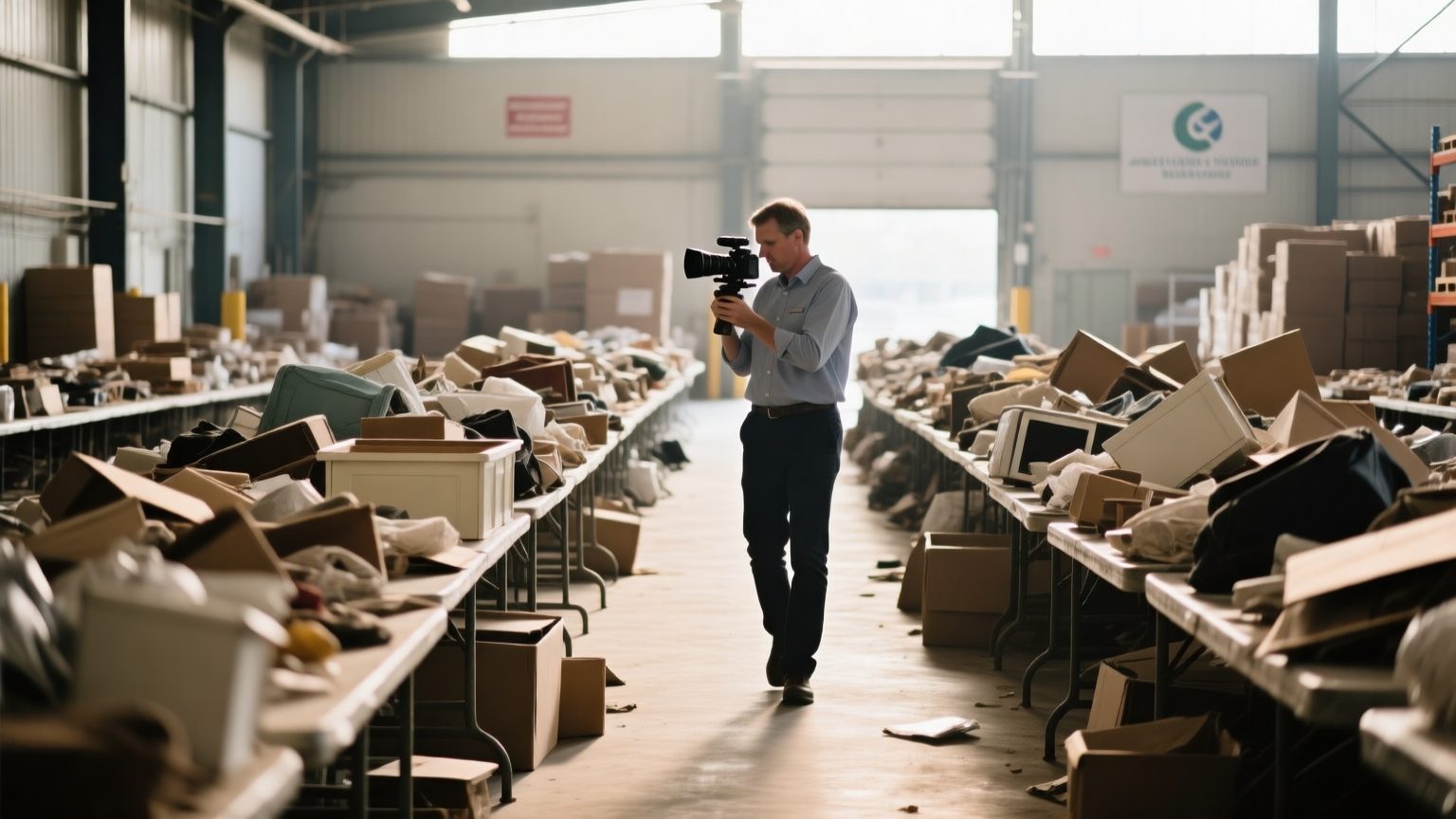
The large-loss problem: too many photos, no structure
A total-loss fire, a hurricane, or a large water loss does not produce a tidy list. It produces thousands of photos, taken fast, from odd angles, in poor light, with items overlapping and rooms half collapsed. Somewhere in that pile is a complete contents claim, but turning 2,000 photos into a defensible inventory by hand is days of work, and it is the point where large claims stall. The photos are evidence; they are just not yet an inventory.
The gap between a photo dump and a contents inventory is structure: knowing what each item is, how many there are, what each is worth today, and where the value came from. That is four distinct problems, and AI handles each differently. Understanding the split is what makes automation trustworthy here, because you can see exactly what the machine drafts and what a professional still has to check.
Step one: identify each item
The first job is recognition. From a photo, AI identifies the object and, where a label, logo, or model marking is visible, the brand and model. Specific identification is what makes a replacement cost value accurate and easy to review, because a vague line item like "television" invites a question while "55-inch LED television, named brand, with the label visible in the photo" does not. On a large loss, this is also where completeness comes from: systematically working every photo so items are not missed, which is easy to do by hand when fatigue sets in on photo 1,500. Thorough, specific contents documentation is exactly what restoration standards call for, and the IICRC treats it as a core part of a professional loss response.
Step two: de-duplicate so the count stays right
The subtler problem on a large claim is counting. The same sofa appears in fifteen photos from five angles, and a naive process either counts it fifteen times or, over-correcting, merges two genuinely different chairs into one. Both errors corrupt the claim. AI matches the shots that show the same physical object and merges them into one line item, while keeping genuine quantities of truly identical items intact.
| Counting error | What causes it | What AI does |
|---|---|---|
| Over-count | Same item photographed many times is logged repeatedly | Groups the shots of one object into a single line |
| Under-count | Several identical items collapsed into one | Preserves real quantity of truly matching items |
| Missed item | Fatigue skips items deep in a large photo set | Works every photo systematically for completeness |
Getting this right is what keeps both the item count and the total value defensible at scale, and the mechanics are covered in depth in how AI de-duplicates a large contents inventory. A professional still confirms the tricky merges, because judgment about whether two worn items are the same is exactly the kind of call a human should make.
Step three: value each item with evidence
Once items are identified and counted, each needs a replacement cost value: the current price to buy it new, from a real retailer, with the source recorded so the value can be checked later. This is the figure the contents claim is built on. If replacement cost value is unfamiliar, what replacement cost value (RCV) means covers the basics, including how it differs from actual cash value. The point on a large loss is that every one of thousands of items needs this, and doing it by hand is the single biggest time sink. AI drafts the value with the matched product and the retailer attached, so the evidence travels with the number instead of being reconstructed later. Keeping a sourced record of each item's value mirrors the home-inventory discipline insurers recommend, like the Insurance Information Institute's home inventory guidance.
Step four: professional review
The draft is not the claim. Contensure produces the structured inventory, the descriptions, and the replacement cost values with evidence, and then a professional reviews and signs off before anything is final. AI drafts, professionals review. That division is what makes the speed safe: the machine does the volume work of turning 2,000 photos into a structured, sourced inventory in a fraction of the manual time, and the professional applies judgment to the values, the merges, and anything the policy or the loss makes unusual. The data itself is handled carefully throughout, as described in how Contensure handles security.
Why this matters most on CAT and total-loss claims
On a small claim, manual documentation is tedious but manageable. On a catastrophe response, a wildfire, a hurricane, or a total-loss fire with a full house of contents, the volume is the whole problem, and it arrives all at once. Documenting a full home of belongings from photos alone, when the items themselves are gone, is its own discipline, covered in how to document contents after a fire. Structuring thousands of photos into a review-ready inventory quickly is what lets a high-volume operation keep claims moving during a surge instead of falling weeks behind. Contensure is built for exactly this large-loss and catastrophe contents processing, and it complements the tools already in the workflow, including estimating platforms like Xactimate and the packout process, rather than replacing them. It handles the identification, de-duplication, valuation, and documentation side and hands a review-ready package to the professional.
What the operator gets
The outcome is a contents inventory that is complete, de-duplicated, valued, and sourced, produced from a messy pile of photos in a fraction of the manual time, with a professional's review on top. More guides on large-loss contents valuation are on the Contensure blog, and teams handling high claim volume can talk to Contensure to see it on their own files. This is informational and not legal or insurance advice; your policy language and the carrier's requirements govern each claim.